Cured at Home: The Weekend Project That Turns Your Kitchen Into a Lower East Side Deli
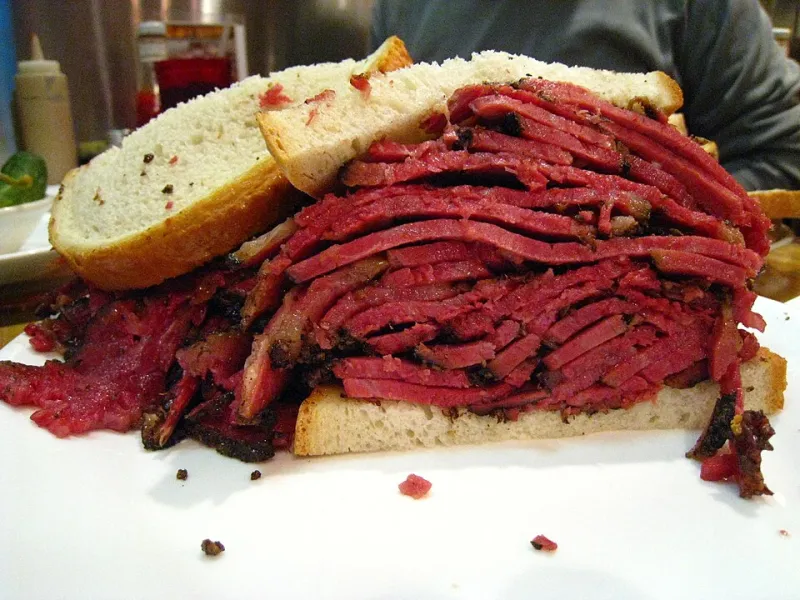
Photo: star5112, CC BY-SA 2.0, via Wikimedia Commons
There's a moment in every good New York deli when the sandwich lands and you briefly question your life choices — mainly why you don't eat like this every week. Pastrami on rye is theatre: a slab of pink, pepper-crusted meat stacked absurdly high, a squidge of yellow mustard, and bread that's really just structural scaffolding. The good news? You don't need a flight to JFK to recreate it. You need a piece of brisket, a spice rack, and a free weekend.
Start With the Right Cut
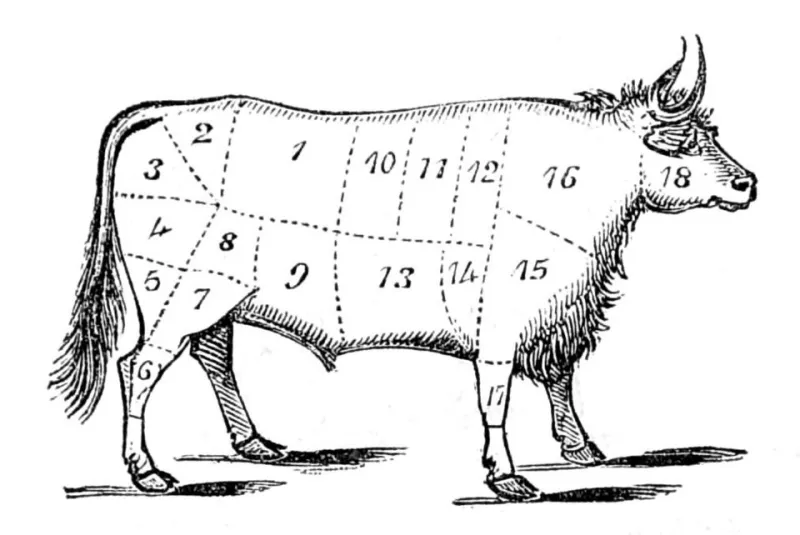
Pastrami begins life as beef brisket — the same cut British butchers sell for pot roast. Ask your butcher for a whole, untrimmed brisket, around 2–3kg, with a decent fat cap. Supermarket brisket tends to be trimmed too hard; a proper deli-style result needs that fat to baste the meat as it cooks. Most good butchers will happily order one in if it's not on display, and it's cheaper per kilo than ribeye, which softens the blow of everything else you're about to buy.
The 48-Hour Cure (It's Mostly Waiting)
Home-curing pastrami sounds intimidating, but it's really just a flavoured brine and some fridge time. Dissolve salt, a couple of teaspoons of pink curing salt (sold as Prague Powder No.1 — get it online from any home-brewing or butchery supplier), sugar, garlic and pickling spice in water, submerge the brisket in a food-safe container, and leave it in the fridge for five days. Yes, five — the 48-hour version works for a thinner cut, but a proper brisket wants the full week for that unmistakable rosy cure to penetrate.
After the brine, pat the meat dry and crust it generously with cracked black pepper, ground coriander and a little more pickling spice. Then comes the steam: wrap the brisket in foil, add a splash of water, and cook low and slow — around 140°C for three to four hours — until it yields like butter when probed. Rest it, then slice against the grain, thick. Thin-sliced pastrami is a deli crime and frankly un-British in its timidity.
Rye, Pickles and the Rest of the Spread
The bread is the tricky part in the UK. Proper seeded Jewish rye is still patchy outside London, but it's improving: look to bakeries like The Dusty Knuckle in the capital, German and Polish bakeries in Manchester, Leeds or Glasgow (their rye loaves are the real deal), or mail-order sourdough rye from specialist online bakers. Failing that, a dense dark rye from any decent supermarket bakery aisle will hold up — just toast it.
As for pickles, half-sour style dills are the authentic partner. Lidl and Aldi's Polish ranges, plus any jar of fermented dill cucumbers from a Polish grocer, will get you closer than sweet pickle relish ever could. Add mustard — French's yellow, unapologetically — and coleslaw if you're building a Reuben instead.
The Pickleback: A Pairing Guide
No deli night is complete without the ritual of the pickleback: a shot of whiskey chased by a slug of pickle brine. It sounds like a dare. It is, in fact, brilliant — the vinegar and dill cut through the whiskey's sweetness and leave you feeling, bizarrely, refreshed.
- Classic pairing: Jameson or any approachable Irish whiskey with dill pickle brine. The original and still the best.
- Rye for authenticity: A bourbon-adjacent rye like Bulleit or Sazerac echoes the spice crust on the meat. Brine should be sour, not sweet.
- Zero-proof option: Pickle brine over ice with a splash of soda and dill garnish. Genuinely good.
Serve the brine in small glasses alongside, and let guests find their own rhythm.
Set the Scene
Pile the meat high on a wooden board, bring the bread to the table warm, put the mustard on the table rather than in the sandwich, and let people build their own. Put on some Coltrane, keep the pickles cold, and accept that your kitchen will smell gloriously of pepper and steam for two days afterwards. That's not a downside. That's the point.