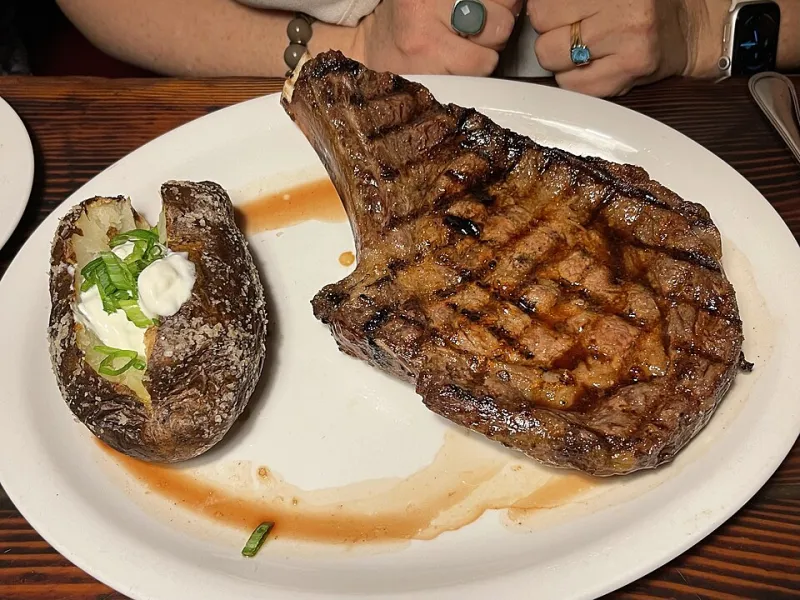
Wagyu, Wet-Aged or Dry-Aged? Making Sense of Steakhouse Menu Jargon

Photo by Photo by Josh Withers on Unsplash on Unsplash
You've booked the table. You've got the napkin on your lap. And then you open the menu and are confronted with a wall of words: dry-aged for 35 days, wagyu score 9, wet-aged, grass-fed, grain-finished. Suddenly ordering feels like an exam you didn't revise for.
Let's fix that.
Dry-Aged: What It Actually Means
Dry-ageing is the old-school method. The beef is stored uncovered in a temperature and humidity-controlled room for weeks — sometimes months. Moisture evaporates, which concentrates the flavour, and natural enzymes break down muscle tissue, making the meat more tender.
The result is a deeper, nuttier, almost cheese-adjacent flavour that you either love or find challenging. It's the signature of classic New York steakhouses, and the reason a proper dry-aged ribeye tastes nothing like a supermarket steak.
Expect to pay a premium — water loss during ageing means the steak weighs less, and someone has to cover that.
Wet-Aged: The Quiet Achiever
Wet-ageing means the beef is vacuum-sealed and aged in its own juices. No moisture loss, no crust to trim away, and a milder, cleaner, more metallic flavour.
Most steak you eat in restaurants is wet-aged to some degree, even if the menu doesn't say so. It's not lesser — it's just a different personality. If dry-ageing is a stinky blue cheese, wet-ageing is a good cheddar.
Marbling and Why It Matters
Marbling is the flecks of intramuscular fat running through the meat. More marbling means more flavour and a more tender bite, because that fat renders as the steak cooks, basting it from within.
This is where the wagyu scoring system comes in — particularly the Japanese BMS (Beef Marbling Standard) scale, which runs from 1 to 12. A score of 8-12 is extraordinarily rich, almost buttery. Most British and Irish beef, which is fantastic, sits lower on the scale but often has better beefiness per pound.
Grass-Fed vs Grain-Finished
Grass-fed beef tends to be leaner, with a slightly earthy, more mineral flavour. Grain-finished beef — the American standard — has more fat coverage and a sweeter, richer profile.
Neither is better. A grass-fed sirloin from a great British farm can be a revelation, and a grain-finished ribeye can be a flavour bomb. What matters more is the breed, the farmer, and how the kitchen cooks it.
The Cheat Sheet
- Dry-aged = concentrated, nutty, old-school
- Wet-aged = clean, tender, mellow
- High marbling / wagyu = rich, buttery, decadent
- Grass-fed = lean, earthy, beefy
- Grain-finished = sweet, fatty, indulgent
Next time the waiter asks if you have questions, you won't. You'll just order — and possibly correct someone else's misconceptions while you're at it. We won't judge.