The Great British Ribeye Hunt: Chasing New York Steakhouse Culture Beyond the M25
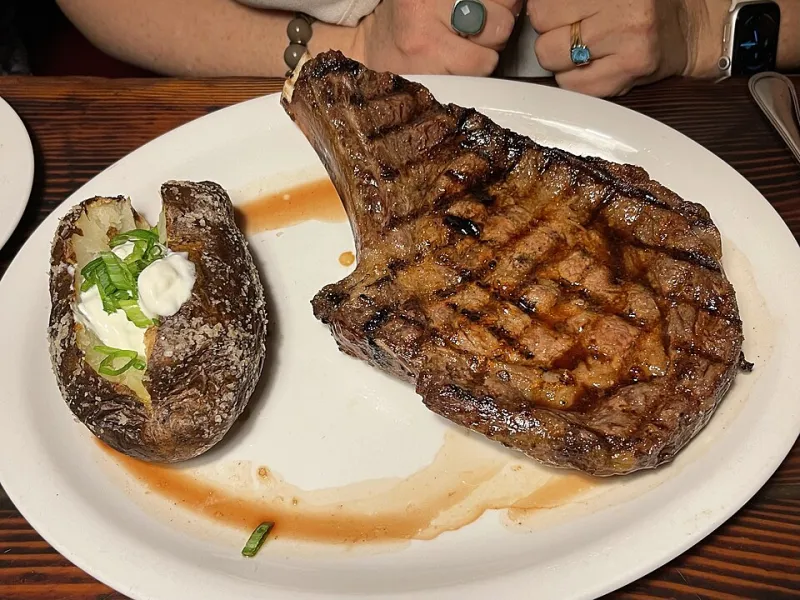
Photo: Missvain, CC BY 4.0, via Wikimedia Commons
There was a time when a proper New York-style steakhouse experience meant a transatlantic flight. You'd land at JFK, hail a cab to a cavernous room on the East Side, and tuck into a slab of beef the size of a house brick, served with a side of bravado. Fast forward to today, and you can get pretty close to that experience without leaving the M60.
The American grill has well and truly landed in Britain — and honestly, we're better for it.
Why the Big Apple Cut Won Us Over
Let's clear something up first: the 'New York strip' isn't actually named after the city's steakhouses, whatever the menu might tell you. The cut — known here as sirloin — earned its American nickname in the 1800s, and the branding stuck. What matters is the eating: a strip steak has just enough fat to stay juicy, with a firmer bite than a fillet and far more character.
But if we're being honest, the real star of the NYC steakhouse is the bone-in ribeye. Leave the bone attached and you get deeper flavour during cooking, plus the unctuous, marbled richness that leaner cuts simply can't match. It's theatre on a plate — and British kitchens have taken note.
There's a lovely irony here, too. Our grass-fed, dry-aged British beef is arguably better suited to the ribeye treatment than much of the grain-fed American equivalent. When Yorkshire farmers' produce gets the dry-ageing treatment usually reserved for Manhattan meat lockers, something rather special happens.
The City-by-City Grill Tour
Manchester has embraced the American grill with open arms. The city's steakhouses lean into the full Stateside experience — dark wood, low lighting, cuts displayed at the counter for your approval. Order the bone-in ribeye aged a minimum of 35 days, and don't be shy about asking how long it's been hanging. A good Mancunian steakhouse will tell you to the day.
Birmingham has quietly become a serious beef city. The second city's grill rooms often pair USDA-style portions with British heritage breeds — think Longhorn and Hereford given the full dry-age treatment. Ask for your steak cooked 'Pittsburgh style' (charred outside, rare within) if the kitchen knows its stuff.
Edinburgh and Glasgow bring their own flair. Scottish ribeye is world-class, and Scotland's grills know it — expect generous portions, whisky-based sauces (a natural fit), and side dishes that occasionally nod to home territory. Chips with haggis seasoning alongside your strip steak? It works better than it sounds.
Bristol and Leeds round out the map with smaller, independent grills that punch well above their weight. These are the places where the chef is likely to come out and talk you through the ageing cabinet. Go with their recommendation.
How to Spot an Authentic Bone-In Ribeye
Not every menu listing is the real deal. Here's our checklist:
- The bone stays in. If it's been removed, it's not the classic cut — it's just a ribeye fillet.
- Age is stated, not vague. 'Dry-aged' alone means nothing. Look for 28 days minimum; 45 is where the flavour gets properly funky.
- Thickness matters. A true steakhouse ribeye should be at least 4cm thick. Anything thinner will overcook before it develops a crust.
- Marbling you can see. Fine threads of fat running through the meat — not a single fat cap doing all the work.
- Resting and slicing are done properly. If your steak arrives swimming in juice on the plate, it wasn't rested. If it's pre-sliced fanned out, it was probably resting under a lamp.
What to Order on the Side
A New York grill is nothing without its supporting cast. Creamed spinach, mac and cheese, and onion rings the size of bangles are non-negotiable. British kitchens have started adding their own twists — beef dripping chips, roasted bone marrow butter, even a proper British salad with watercress. Order one starch, one green, and share everything. That's the American way, and it translates beautifully.
The Verdict
The UK's love affair with New York steakhouse culture isn't a passing trend — it's a proper culinary exchange. We've borrowed the cuts, the ageing techniques, and the theatre, then improved them with arguably superior British beef. From Manhattan to Manchester, the ribeye has found a new home. Tuck in.