Half-Price Hours and British Reserve: The Slow Arrival of the Real Happy Hour
Photo: ウィ貴公子, CC BY-SA 4.0, via Wikimedia Commons
There's a particular magic to a New York happy hour that no amount of transatlantic visiting quite prepares you for. You wander off the 6 train at half five, duck into a chophouse bar near Grand Central, and suddenly a martini that would cost you £18 at dinner is £8. Half-price oysters, too, if you're lucky. Nobody makes a fuss about it. It's simply Tuesday, and between four and seven, the drinks are cheaper. That's the deal.
Try finding the equivalent in Leeds on a drizzly Thursday and you'll mostly find pubs doing £1 off pints of lager for students, or a chain bar flogging Aperol Spritzes at a discount that only exists because the original price was inflated to begin with. Genuine, grown-up, proper-cocktail happy hours have been stubbornly thin on the ground in Britain. The question is why — and the more interesting question is where that's finally starting to change.
The Economics of Being Generous
Ask any British bar operator about happy hour and watch their face fall. The maths, they'll tell you, simply doesn't work the way it does in Manhattan.
First, there's the boozing culture gap. In New York, happy hour works because it's a volume game — the bar is rammed from five o'clock, people order quickly, drink quickly, and move on. British drinking habits are more spread out. Our post-work trade trickles in rather than floods, and a two-for-one Negroni window doesn't fill a room the way it does on the Lower East Side.
Second, there's labour. A proper cocktail needs someone who can actually make one, and British hospitality wages — post-minimum-wage-rises, post-National-Insurance-changes — mean staffing a bar for a discounted trade window costs more than the discount recovers. One Manchester operator put it to us bluntly: "In New York the tips subsidise the cheap drinks. Here, we eat the whole cost."
And then there's licensing. British premises licences can restrict discounting, and councils have been known to scrutinise happy hours as encouraging rapid drinking — a public health concern, technically. It's a bureaucratic drag that American bars simply never contend with.
Where It's Actually Happening
Which makes the exceptions worth celebrating. A handful of British venues have decided to run proper American-style discount windows anyway, and they tend to cluster around the kind of places that already understand New York's rhythms.
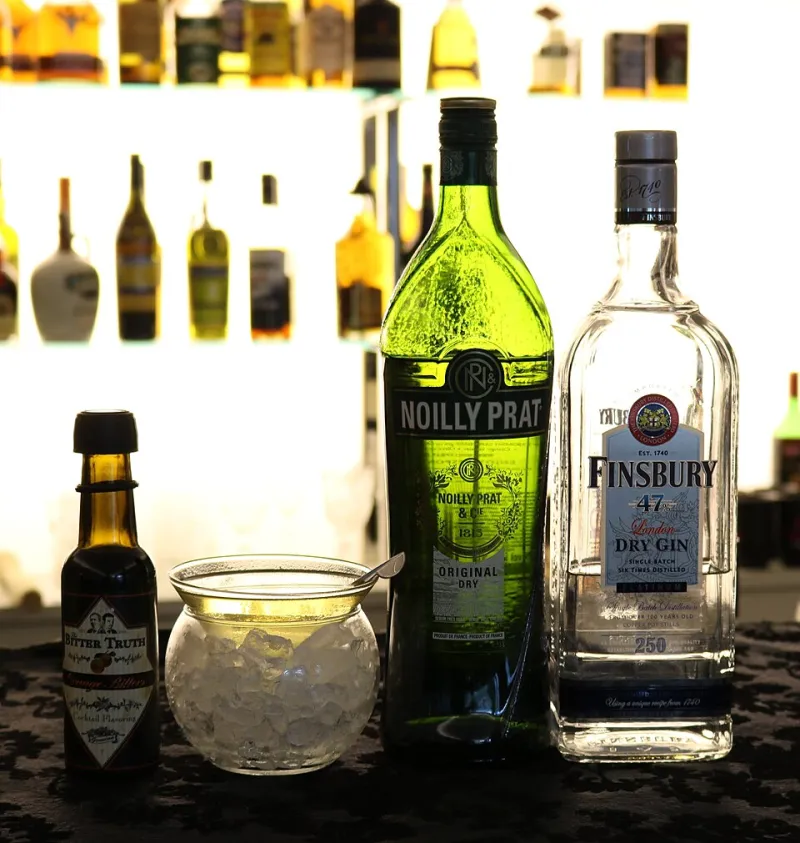
London's chophouses. A few of the city's American-style steakhouses — particularly around Soho and the City — have started running pre-theatre and early-evening cocktail deals that feel genuinely New York rather than marketing-department New York. Think half-price classic martinis and Manhattans between five and six-thirty, aimed squarely at the after-work crowd before the covers arrive. The logic is smart: fill the bar seats during the dead zone, and the discounted drink becomes an aperitif that leads into a full-price dinner booking.
Manchester's grill bars. The Northern Quarter has long been Britain's most American city in spirit, and its newer steak-and-cocktail bars have adopted happy hour windows with more conviction than most. Some run food deals alongside — half-price wings, discounted burgers — which is exactly how the New York model works. The drink gets you in; the food keeps you there.
Glasgow and Edinburgh's early doors. Scotland's pub culture already understands the concept of the early evening session, and a few bars have bolted proper cocktail discounts onto it. The result feels less like an American import and more like a natural evolution of the "early doors" pint — just with rye instead of Tennent's.
How to Hunt Down a Real Deal
If you want to chase the post-work discount without falling for a marketing stunt, a few rules of thumb:
- Check what's discounted, not just the percentage. Half-price cocktails that turn out to mean half-price Porn Star Martinis from a pre-made mix isn't a happy hour. Look for places discounting their proper list — the classics, the stirred drinks, the things a good bartender actually wants to make.
- Mind the timing. Genuine happy hours run early, typically five to seven. Anything starting at eight is a promotion, not a happy hour.
- Watch for the small print. "Two for one" deals that require both drinks to be the same, or discounts that vanish on Friday and Saturday, are the British compromise. The New York version applies every day the bar is open.
- Follow the steakhouses. As a rule, British venues that take American food seriously take American drinking culture seriously too. If a place dry-ages its own beef, there's a decent chance its bar knows what a Sazerac is and when to sell it cheap.
The Slow Thaw
Will Britain ever embrace happy hour with New York's abandon? Probably not entirely — our licensing laws, labour costs and drinking habits won't allow it. But the direction of travel is clear. As American-style steakhouses and grill rooms spread beyond London, they're importing not just the menu but the rituals, and the half-price martini window is among the most persuasive of them.
For now, the happy hour remains a rare and slightly exotic thing on these shores — a small window, usually early, usually midweek, where the transatlantic price gap briefly closes. Find one, order a Martini, and toast the fact that for ninety minutes, you're drinking at New York prices. It won't last. It never does. But that's rather the point of a happy hour.