Charcoal, Chips and a Weber in the Rain: Can Your Garden Really Smoke Like a Manhattan Chophouse?
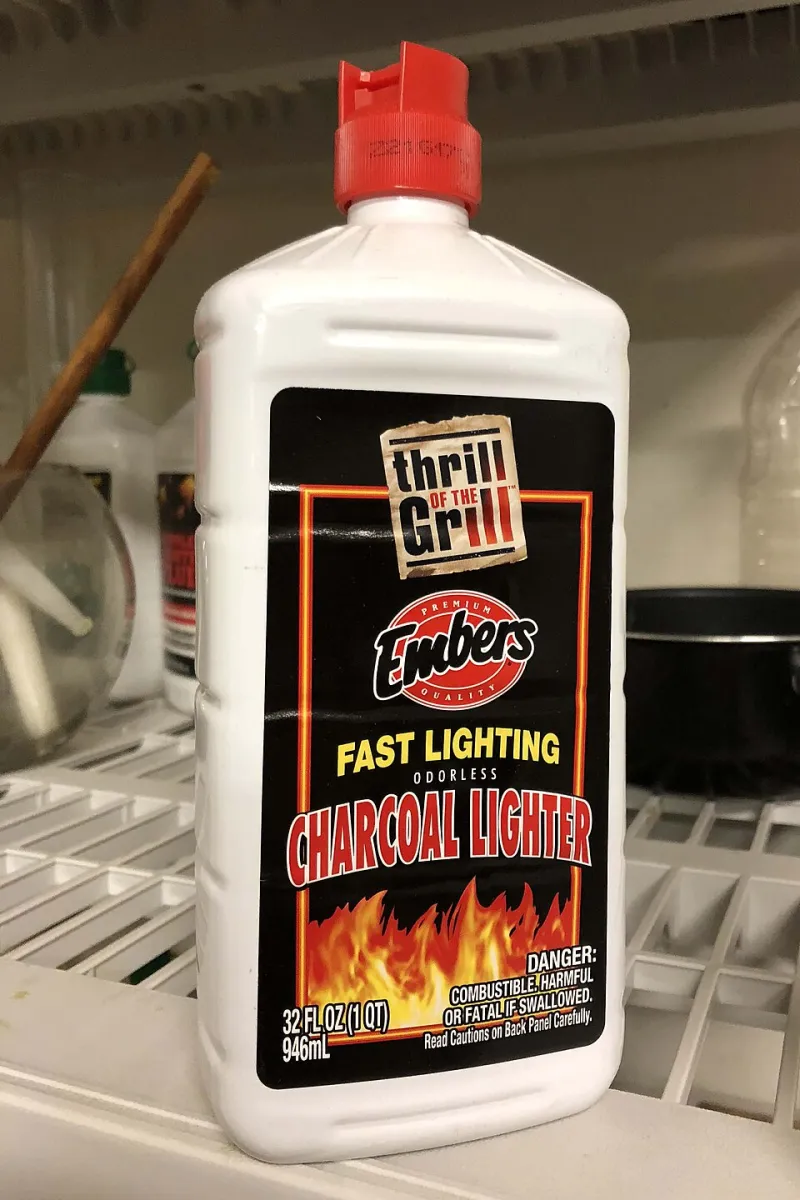
Photo: Escogo, CC BY-SA 4.0, via Wikimedia Commons
There's a moment every British griller dreads. You've splashed out on a dry-aged sirloin from the butcher, the coals are glowing, the neighbours are watching — and then the rain starts. Welcome to live-fire cooking, UK edition.
But something has shifted in recent years. Gas barbecues are quietly falling out of fashion at the school gates, and charcoal sales are climbing. Wood chunks — hickory, oak, even apple — now sit on the shelves at B&Q and Robert Dyas rather than hiding in specialist smoke shops. The question we kept hearing at NY Grill London was simple: can the average Brit with a kettle barbecue and a £9 digital thermometer produce anything close to the smoky, salt-crusted magic of a proper New York strip house?
What We Did
We assembled a panel of six hungry testers, a borrowed Weber 57cm kettle, a probe thermometer from Argos, and a shopping list of steaks from a New York strip (sirloin, to you and me) to a ribeye on the bone. Over three weekends — yes, it rained twice — we cooked identical cuts using different fuels, woods and techniques, then scored everything blind on crust, smoke, juiciness and that elusive chophouse character.
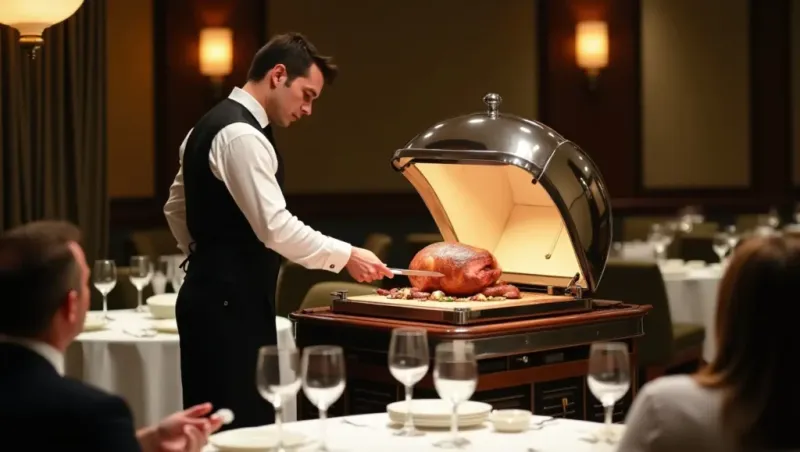
For context, the benchmark: a proper Manhattan strip house sears its steaks at ferocious temperatures in a broiler that runs hotter than most British ovens could dream, finishing with a hard crust, a rosy interior and a whisper of smoke. That's the bar.
The Charcoal Verdict
The fuel matters more than you'd think. Our findings, in order of preference:
- Restaurant-grade lumpwood charcoal (the kind sold in 10kg bags from trade suppliers): Burns hotter, longer and cleaner. The crust on our sirloins was genuinely restaurant-quality — dark, crackly, properly seasoned.
- Premium branded lumpwood (the £12-15 bags at garden centres): Very good, slightly less consistent, but widely available and worth the extra quid over budget options.
- Supermarket own-brand briquettes: Perfectly serviceable for burgers and sausages, but they burned too cool and too evenly to build a serious crust on a thick steak. Our strip came out grey rather than mahogany.
- 'Instant' charcoal with lighter fluid built in: Just don't. The panel could taste it, and not in a good way.
The biggest surprise? The £3 bag of wood chunks from a DIY shed performed nearly as well as the £18 smoker box kit. A fistful of hickory chunks thrown directly onto the coals 20 minutes before the steak goes on delivered a genuine smoky edge that had one tester asking whether we'd secretly ordered in.
The Cuts That Survive Amateur Fire
Not every steak is suited to the vagaries of a British garden grill. Our winners:
Sirloin (New York strip), 3-4cm thick — the best all-rounder. Thick enough to develop a crust before overcooking, forgiving enough for beginners. Sear hard over direct coals for two minutes a side, then rest away from the heat with the lid on.
Ribeye on the bone — the fat renders beautifully over live fire, but watch for flare-ups. Keep a 'safe zone' of the grill with no coals directly beneath.
Fillet — honestly, don't bother. It's too lean to benefit from smoke, too expensive to ruin, and you'll get better results in a cast-iron pan indoors.
Technique Beats Equipment
Here's the truth the barbecue industry doesn't want printed: the Weber kettle — a design essentially unchanged since the 1950s — remains the best value live-fire tool in Britain. You don't need a £2,000 ceramic egg. You need three things:
- Two-zone fire. Pile coals on one side only. Sear over the coals, finish over the empty side with the lid on. This is the closest a kettle gets to a chophouse broiler.
- A decent thermometer. The one on the barbecue lid is decorative. A £10-15 digital probe from any high street retailer is the single best upgrade you can make.
- Patience with the rest. Ten minutes under foil while you pour the wine. Skipping this is the number-one sin of British garden grilling.
So — Chophouse or Not?
Can a Weber and a bag of lumpwood replicate a Manhattan strip house? Not entirely, and honestly, that's fine. What the test proved is that with decent fuel, thick-cut meat and a two-zone fire, British garden grillers can get within striking distance — a crust with genuine char, a whisper of real wood smoke, and steak that tastes like an occasion rather than a Tuesday.
The Manhattan broiler still wins on sheer heat and consistency. But it can't match the smell of hickory drifting over a Lancashire fence at 7pm, or the peculiar British joy of cooking in a light drizzle because you've committed now.
Get the charcoal right, buy thick cuts, rest your meat, and your garden can smoke with the best of them. The Big Apple might have the broilers — but we've got the rain-proof determination.